

A Practical Security Comparison for Crypto Users
As cryptocurrency adoption continues to grow in 2026, digital asset security remains a top concern. One of the most common questions among investors is whether a hot wallet or a cold wallet offers better protection.
This guide provides an original, educational comparison of hot wallets and cold wallets, including security differences, risks, and best-use scenarios. The information is neutral, policy-compliant, and intended for informational purposes only.
What Is a Crypto Wallet?
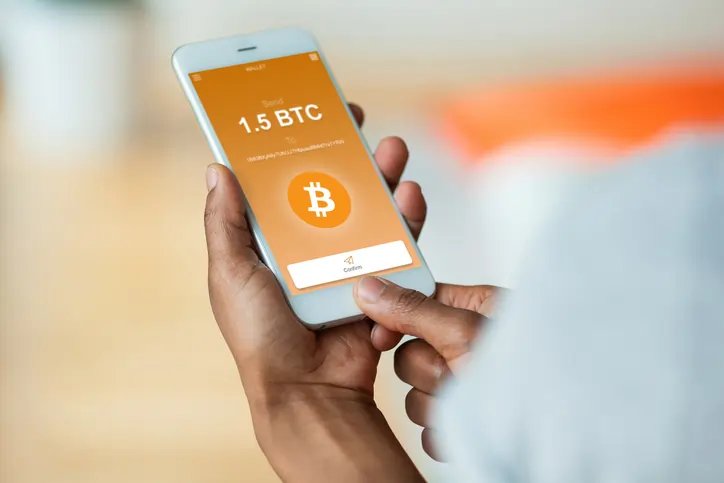
A crypto wallet is a tool that allows users to store and manage private keys, which are required to access and transfer cryptocurrency. Wallets do not store coins directly; instead, they store the credentials needed to access funds on the blockchain.
Crypto wallets generally fall into two categories:
Hot Wallets (connected to the internet)
Cold Wallets (offline storage solutions)
Understanding the difference is essential for security.
What Is a Hot Wallet?
A hot wallet is connected to the internet. It may be:
A mobile app
A desktop software wallet
A web-based wallet
An exchange wallet
Advantages of Hot Wallets
Quick and convenient access
Easy for frequent trading
User-friendly for beginners
Often free to use
Risks of Hot Wallets
Exposure to online hacking attempts
Phishing attacks
Malware risks
Exchange breaches (if funds are stored on exchanges)
Hot wallets prioritize convenience but are generally more vulnerable due to internet connectivity.
What Is a Cold Wallet?
A cold wallet stores private keys offline. Examples include:
Hardware wallets
Paper wallets
Air-gapped devices
Advantages of Cold Wallets
Offline protection from online threats
Reduced exposure to hacking
Strong security for long-term storage
Ideal for large crypto holdings
Risks of Cold Wallets
Physical loss or damage
Forgotten recovery phrases
Higher initial cost (for hardware devices)
Cold wallets prioritize security over convenience.
Security Comparison: Hot Wallet vs Cold Wallet in 2026
1. Internet Exposure
Hot Wallet: Connected to the internet
Cold Wallet: Offline storage
Offline storage significantly reduces cyberattack risks.
2. Risk of Hacking
Hot Wallet: Higher risk due to online access
Cold Wallet: Lower risk if properly secured
However, user mistakes can compromise both.
3. Convenience
Hot Wallet: Very convenient for daily trading
Cold Wallet: Less convenient, better for long-term holding
4. Cost
Hot Wallet: Often free
Cold Wallet: Hardware devices require purchase
5. Best Use Case
Hot Wallet: Active traders and small balances
Cold Wallet: Long-term investors and larger portfolios
Which Is Safer in 2026?
From a purely cybersecurity perspective, cold wallets are generally safer because they are not connected to the internet. Most major crypto theft incidents involve compromised online platforms or phishing attacks targeting hot wallets.
However, safety also depends on user behavior. For example:
Weak passwords increase risk in hot wallets.
Losing recovery phrases can permanently lock access to cold wallets.
Proper security practices matter more than wallet type alone.
Best Practice: Using Both Wallet Types
Many experienced crypto users apply a hybrid strategy:
Use a hot wallet for small, active trading funds.
Store long-term holdings in a cold wallet.
This approach balances convenience and security.
Essential Security Tips for 2026
Regardless of wallet type:
✅ Enable Two-Factor Authentication (2FA)
Adds an extra security layer for online wallets.
✅ Protect Recovery Phrases
Store them offline and never share them.
✅ Avoid Public Wi-Fi for Transactions
Reduces exposure to network attacks.
✅ Verify Website URLs
Protect yourself from phishing attempts.
✅ Keep Software Updated
Security patches are critical.
Common Mistakes to Avoid
Storing large funds on exchanges
Sharing private keys
Clicking unknown links
Ignoring security notifications
Not backing up wallet credentials
Crypto security is largely self-managed, which means personal responsibility is essential.
Final Verdict
In 2026, cold wallets remain the safer option for long-term crypto storage due to offline protection. Hot wallets, however, are practical for frequent transactions and daily trading.
The safest strategy often involves combining both, following strong security practices, and staying informed about emerging threats.
